
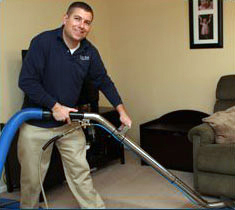
They say the best way to carpet care is to follow the “rules,” but what if some of those rules are flat-out wrong? Misguided advice about cleaning and maintenance has been floating around for years, leaving homeowners with more harm than good. Believing myths about carpet care can lead to unnecessary wear, stubborn stains, and even poor air quality in your home. Clearing up these misconceptions isn’t just about saving your flooring—it’s about creating a healthier, longer-lasting living space.
It’s often said that vacuuming too much can harm your carpet, but is there truth to this? Many homeowners shy away from running their vacuum regularly out of fear they’ll wear out their carpets more quickly. Let’s break this myth down and get to the facts about vacuuming frequency and its impact on carpet care.
The idea that frequent vacuuming damages carpets likely stems from concerns about wear and tear caused by the friction of a vacuum’s brushes or beater bar. Some might believe that the repeated motion of vacuuming could weaken carpet fibers over time, leading to fraying or fuzzing. Historical vacuum models with aggressive brushes and powerful suction may have contributed to this assumption by damaging certain types of fibers, particularly high-pile carpets or delicate materials.
Additionally, this misconception might have been passed down from relatives or neighbors as a “better safe than sorry” approach to carpet care. Unfortunately, it has led many to vacuum less often than needed, potentially causing more harm than good.
Contrary to popular belief, regular vacuuming doesn’t damage carpet; in fact, it protects it. Dirt, debris, and microscopic particles act like sandpaper, wearing down carpet fibers every time they’re walked on. By removing dirt through consistent vacuuming, you’re actually extending the lifespan of your carpet.
Experts recommend vacuuming 2-3 times per week for most households. If you’ve got pets, high foot traffic, or kids tracking in dirt, you might need to vacuum daily in busy zones. For less-used areas, once a week may be enough. Modern vacuums are specifically designed to be gentle on carpet fibers while still effectively removing dirt. Ensuring you vacuum often helps maintain not only your carpet’s appearance but also your indoor air quality.
To get the most out of your vacuuming routine and avoid accidental damage, it’s important to use the right tools and techniques. Follow these tips to ensure safe and efficient carpet care:
By following these tips, you’ll keep your carpets in top shape and put to rest any worries about vacuuming too often. Regular cleaning keeps dust, allergens, and dirt from settling into the fibers, leaving your home cleaner and healthier.
There’s a common belief that professional carpet cleaning can lead to faster resoiling, leaving homeowners hesitant to schedule regular cleanings. However, this myth is often based on outdated or improper cleaning practices. Let’s break this down into what causes the issue, how modern methods solve it, and how carpet care routines can help you properly maintain your carpets.
The misconception stems from improper cleaning techniques used in the past. In many cases, professional carpet cleaning could leave behind soapy residues. These residues act like a dirt magnet, capturing dust, grime, and oils much faster than a properly cleaned carpet. Here’s why this happened:
Overuse of soap or detergents: Soapy products that weren’t fully rinsed out during cleaning could leave a sticky film on carpet fibers, attracting soil.
Inadequate rinsing methods: Older equipment often lacked the suction power to effectively remove cleaning agents, leaving behind residue.
High or low pH products: Using excessively harsh chemicals caused fibers to lose their stain resistance, making them more susceptible to getting dirty.
While these issues generated mistrust over time, advancements in carpet care and professional cleaning methods have significantly reduced such risks.
Professional carpet cleaning today is worlds apart from the outdated approaches of the past. Technological advancements and eco-friendly practices ensure a deeper clean without leaving residue behind. These improvements have elevated the standards of carpet care, making it more effective and safer for long-term maintenance. Here are some examples of modern techniques you’ll find:
Hot Water Extraction: Also known as steam cleaning, this method uses heated water and powerful vacuums to rinse and extract dirt without leaving behind sticky residues.
Encapsulation Cleaning: This innovative process uses polymers to trap dirt in microscopic crystals that’s easily vacuumed away. It’s fast-drying and prevents rapid resoiling.
Truck-Mounted Equipment: These systems heat water to optimal temperatures and provide industrial-level suction, ensuring carpets are thoroughly cleaned and dried.
Eco-Friendly Agents: Green cleaning products are pH-balanced and specifically designed to be residue-free, protecting your carpet and the environment.
These advancements make professional carpet care not just safe but beneficial for extending your carpet’s lifespan and keeping your home healthier.

Team of professional cleaners in red uniforms using a vacuum cleaner indoors.
Photo by Tima Miroshnichenko
Even with modern methods, how often you clean your carpets plays a role in their longevity and appearance. Experts generally recommend professional cleaning every 12-18 months, but specific factors can adjust this timeline:
Routine vacuuming in between professional cleanings is key to keeping your carpets fresh and free of surface dirt. A consistent cleaning schedule not only boosts your carpet’s appearance but also helps maintain its structural integrity over time.
There’s a lot of advice out there about tackling carpet stains on your own, and sure, DIY methods can be tempting. After all, they’re convenient and often cost-effective—until they’re not. Many people believe home remedies like baking soda or hot water are foolproof, but that’s far from the truth. Some DIY stain removal techniques lead to unintended consequences, such as worsening the stain or damaging the carpet fibers. Improper DIY carpet care can actually shorten the life of your flooring rather than protect it. Let’s unpack why DIY isn’t always best, when professional help is the smarter option, and which home remedies can support proper carpet care without creating a bigger headache.
You’ve probably seen guidelines online recommending everyday items like baking soda, vinegar, or dish soap for cleaning carpets. While these remedies might offer some degree of success, they can backfire if used incorrectly. Here are a few common DIY approaches and their potential pitfalls:
Trying to tackle a tough carpet stain using a risky DIY method is like attempting car repairs with a butter knife. It’s not the right tool for the job, and it leaves plenty of room for error.
A patterned rug with a hammer on a wooden floor from a top view.
Photo by Polina Tankilevitch
Even the most careful DIY efforts sometimes fall flat. So, when does it make sense to leave things in the hands of the experts? Here are a few scenarios where professional carpet cleaners are worth their weight in gold:
Remember, these services aren’t just about stain removal. They also protect the longevity of your carpet, often extending its lifespan by years.
For those moments when you need a quick fix, there are DIY remedies that can work well without risking your carpet’s health. The key is to stick to gentle, proven solutions and assess the situation carefully. Try these methods for minor stains:
While these tips can help minimize certain stains, they work best on fresh messes. Once a stain sets or the material’s compromised, it’s time to turn the situation over to the professionals. Proper stain treatment—whether DIY or professional—can make all the difference in keeping your carpet clean and fresh.
Many people believe that new carpets are spotless and free of any dirt or allergens, but this is far from the truth. Even fresh carpet straight from the manufacturer can hide contaminants you may not realize are there. Let’s explore why cleaning new carpets is just as important as maintaining older ones.
A new carpet might look pristine, but under the surface, it often harbors more than meets the eye. During manufacturing, carpets accumulate fine particles, such as loose fibers, dust, and packaging debris. Transportation and installation can add even more contaminants, including adhesives and byproducts from cutting and trimming. If left unaddressed, these particles can spread as the carpet settles into your space.
What’s worse? Some new carpets emit volatile organic compounds (VOCs), which are chemicals released during manufacturing. While odors associated with VOCs often fade within a few days, the particles themselves can linger in carpet fibers. This may impact both air quality and health, particularly for households with sensitive individuals, such as children or those with allergies.
Cleaning your carpet soon after installation eliminates these hidden residues, ensuring a cleaner and safer home environment. A quick vacuum or professional cleaning session can do wonders for removing those initial impurities that come with even the newest carpets.

A mother and baby bond over playtime on a cozy carpet indoors, creating joyful memories.
Photo by William Fortunato
Getting into a solid carpet cleaning routine right at the start can set the tone for how well your flooring holds up over time. Think of it like cleaning a brand-new car—it might not look dirty, but taking preventative care ensures it stays in excellent condition down the road.
Here’s why an early cleaning schedule matters:
Establishing early habits also means you’ll know when to call professionals for deeper cleans. It’s easier and more cost-effective to stay on top of maintenance tasks regularly than to deal with built-up damage later. Don’t wait until the carpet looks dirty—keeping it clean from the start ensures it looks and feels fresh for years to come.
For decades, carpet powders have been promoted as an easy and effective way to freshen up carpets, eliminate odors, and combat dirt. These products are inexpensive, accessible, and quick—making them appealing to busy homeowners. But are they really as harmless as they claim to be? While they might seem convenient, carpet powders can introduce several hidden risks that are often overlooked. Let’s unpack how these products work, why they may cause harm, and safer alternatives for keeping your carpets fresh and clean.
Carpet powders are simple in theory: sprinkle the powder over your carpet, let it sit, and then vacuum it up. They are designed to absorb dirt and neutralize odors, leaving your carpet smelling clean. These powders often contain ingredients like sodium bicarbonate (baking soda) or silicates, which adhere to dirt and greasy particles for easier vacuuming. Fragrance compounds are added to create that “fresh” scent.
However, the same properties that make these powders seemingly effective can also pose problems. The fine particles are meant to sink into carpet fibers, yet many can settle deeper into the carpet backing or padding. Over time, these particles accumulate in areas a vacuum can’t reach, creating hidden buildups. The abrasive nature of these powders can also wear down carpet fibers, especially if regularly used on high-traffic areas. What initially seems like a quick fix can lead to long-term damage.
While carpet powders are labeled “safe,” their hidden risks often outweigh any temporary benefits. Here’s what can go wrong:

A textured view of a green and white carpet meeting at the corner with a plain wall.
Photo by Andreea Ch
So what can you use instead of carpet powders? Thankfully, there are several safer and more effective methods to keep your carpets smelling fresh and looking clean:
The next time you consider grabbing a box of carpet powder for quick cleaning, think twice. While it might bring short-term improvement, the long-term consequences simply aren’t worth it. Focusing on healthier practices not only preserves your floors but also enhances your home’s overall air quality and longevity.
Believing carpet maintenance myths can cost you time, money, and the health of your flooring. Dropping these misconceptions leads to cleaner, longer-lasting carpets and improved indoor air quality. Whether it’s vacuuming more often, scheduling professional cleanings, or skipping risky DIY fixes, choosing evidence-based practices ensures your carpets stay in top condition.
Start by evaluating your current routines and making small changes today. Your carpets—and wallet—will thank you for it. Ready to take action? Share this with someone who could use a carpet care refresher!