
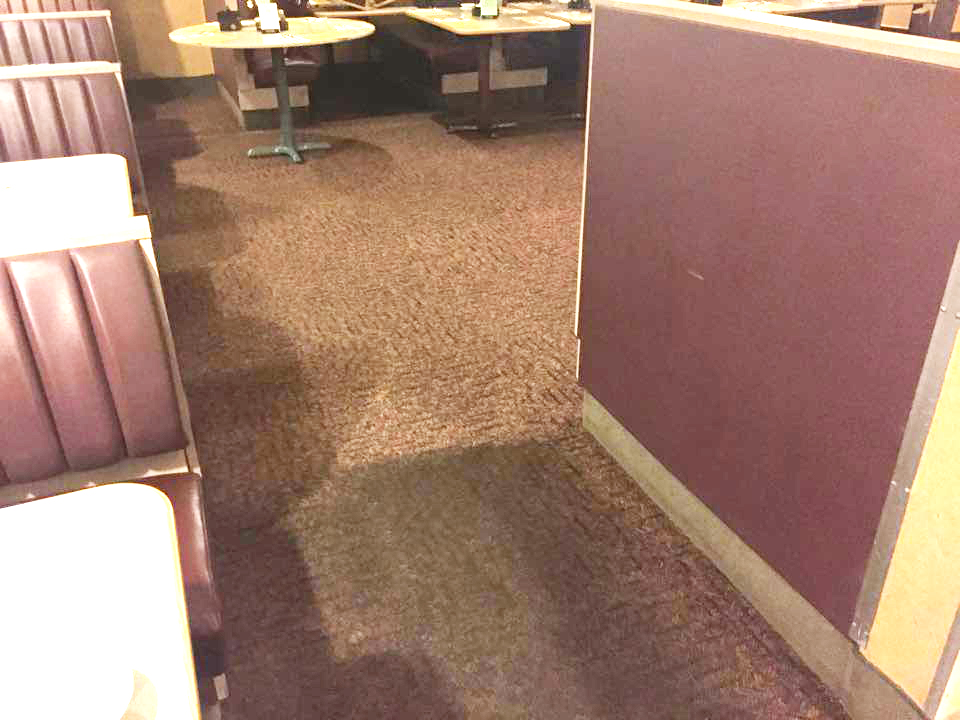
It’s easy to overlook carpet wrinkles or ripples, but these loose spots can become real tripping hazards. Over time, heavy foot traffic or poor installation lets carpet bunch up, creating wavy, uneven patches that look bad and make every step less safe. For families, kids, or anyone concerned with home safety, ignoring these bumps invites accidents or stubbed toes.
Professional carpet stretching solves these problems by pulling the carpet tight and smoothing out awkward waves. This not only makes rooms look neat but also keeps walkways safe. In this post, you’ll see how experts handle carpet stretching, what the process looks like, and why a simple repair can protect both your investment and everyone moving through your space.
Carpet wrinkles and loose spots aren’t just annoying to look at; they’re warnings that your carpet isn’t doing its job. When a carpet loses its grip, it creates wavy, lumpy patches that invite trips and falls. These problems can sneak up quickly or develop over years, but they’re all rooted in a few common causes. Knowing what leads to a bumpy carpet helps you understand why stretching is more than just a cosmetic fix.
If a carpet isn’t installed right, problems usually show up sooner rather than later. When installers cut corners and skip tools like a power stretcher, they leave the carpet too loose. That slack creates room for movement and bunching. Instead of staying flat, the carpet starts to ripple with every step, especially in busy areas. This shortcut during setup is one of the biggest reasons carpets wrinkle early on.
Everyday walking, running, or pets zooming back and forth packs down the carpet and padding. In spots with lots of use (think hallways or in front of the couch), the fibers and backing get stressed. Over time, this steady pressure stretches the carpet and creates uneven, ripply patches. These spots can shift from barely noticeable to major trip zones.
Sliding a heavy sofa or dresser across the room tugs and pulls the carpet much more than you’d think. Dragging furniture stretches the fibers and backing, yanking the carpet off its anchors at the edges. Those yanked areas don’t bounce back, so you end up with rumpled spots that stand out in the light or underfoot.
Carpets are sensitive to changes in humidity. When it’s damp, the fibers and backing absorb moisture, expand, and then contract as the air dries out. This stretch and shrink cycle builds tension in the carpet. After a few cycles, or even a single big spill, you can see waves or buckles start to form. High humidity or moisture from steam cleaning that doesn’t dry fully makes these problems worse.
All carpets have a lifespan. Over years, even with careful use, the padding under your carpet breaks down and the backing deteriorates. Old adhesive loses its strength, letting the layers of carpet drift apart. Padding that’s flattened from age no longer offers solid support, causing the carpet above to shift and wrinkle.
In short: Whether your carpet is fresh from the store or has been around for a decade, these issues—installation mistakes, daily wear, moves, moisture, and simple aging—are the main reasons wrinkles and loose spots show up. Each one adds up, creating risks you don’t want to ignore and pushing you closer to a needed stretch or repair.
Professional carpet stretching is a repair process that removes wrinkles and loose areas from wall-to-wall carpet, making floors safer and more attractive. The process uses specialized tools and proven methods to smooth out ripples, bumps, and lumps. Unlike a quick DIY fix, professional stretching tightens the carpet over its entire surface, restoring a crisp, like-new look.
The main steps in professional carpet stretching are simple but detailed:
Professional methods stand out because they use quality tools (not just force) and a systematic process. This means better results, lasting smoothness, and less risk of damaging your carpet or floor.
Getting carpet truly flat and trip-free takes more than muscle. Professionals use two main tools for real, lasting results: the power stretcher and the knee kicker. Each tool plays a crucial part in tightening up your floors.
The power stretcher is the star player in large rooms. This adjustable tool grips the carpet with steel teeth on one end and presses against the opposite wall with a padded bar. By expanding the handle, the installer creates even tension across the entire length of the carpet. This powerful action pulls out deep wrinkles, eliminates uneven spots, and ensures the carpet stays firmly anchored to the tack strips.
A power stretcher makes it possible to:
The knee kicker handles the finer details, especially in smaller spaces or along edges. It’s a shorter tool with a padded end and a toothed head that grabs the carpet. The installer taps the tool’s back with their knee, nudging the carpet forward onto the tack strips.
The knee kicker is perfect for:
Why do these tools matter?
Without proper stretching, carpet will develop new wrinkles soon after repair. The power stretcher gives even tension that you simply can’t get by pulling with your hands or using a knee kicker alone. The knee kicker ensures no section gets missed, giving a uniform look and a firm grip at the edges.
Here’s a quick side-by-side overview:
| Tool | Best Used For | How It Works | Benefit |
|---|---|---|---|
| Power Stretcher | Large, open floor areas | Pushes carpet with wall-to-wall force | Prevents re-wrinkling, stable hold |
| Knee Kicker | Small spaces, details | Moves carpet forward in small increments, uses knee tap | Perfect edge placement, tight fit |
Choosing the right tool and using it in the right order is what separates a job that looks good for years from one that needs repairs after a short while. Professional-grade stretching not only erases unsightly waves, it builds a safer surface where trips are less likely—keeping every step in your home secure.
Loose, rippled carpet does more than look messy. It can turn your floors into an obstacle course. A properly stretched carpet, on the other hand, lays completely flat from wall to wall. This makes every step safer, whether you’re walking barefoot in the living room, chasing after toddlers, or making sure grandparents stay steady.
When carpet is stretched tight, all the shifting slack disappears. The installer uses a power stretcher and knee kicker to pull out even the smallest lumps and ripples. Think of it like smoothing out the wrinkles on a bed sheet. When that surface is flat, your feet land solid and even, removing the chance of catching your toe on a bump.
A stretched carpet:
A tight carpet doesn’t just look cleaner—it feels safer with every step.
Even a small loose patch can catch shoes, socks, or slippers. Young children might trip running through the hall. Older adults are especially at risk since a stumble on a loose fit can cause big injuries. Professional carpet stretching targets the root cause by:
Every walk across a freshly stretched carpet becomes a smoother ride, with fewer hazards waiting in high traffic rooms like hallways and living rooms.
Most people don’t notice a little ripple at first. But daily life exposes how annoying and risky they can be:
Flat, stretched carpet removes these everyday problems. Daily routines go smoother for everyone. You get the comfort and ease of a level surface for walking, playing, or working.
Here’s a quick look at why stretching really matters:
| Issue (Loose Carpet) | Problem Created | Stretching Fix |
|---|---|---|
| Wrinkles, ripples, and bumps | Tripping hazard for all ages | Flat, safe walking surface |
| Loose edges or corners | Edges curl up, catch feet or vacuums | Firm, neat edges hold in place |
| Soft spots in traffic areas | Unsteady footing, wears out padding | Even surface, longer carpet life |
| Raised seams or bulges | Trips, snags toys or small wheels | Seamless finish, no obstacles |
Proper carpet stretching is like hitting the “reset” button on your floors. It clears out sneaky hazards and makes every step feel secure. Whether you have kids racing around, teens running late, or a grandparent who needs steady footing, everyone benefits from a safer, neater home.
Getting your carpet professionally stretched is about more than smoothing a bumpy floor. This fix brings a package of lasting benefits that keep your home tidier, safer, and even healthier. When you take care of carpet wrinkles early, you guard not just your floors but your investment and the well-being of your family. Here’s how the long-term payoff stacks up.
Flat, well-stretched carpet keeps your home safer for everyone. Everyday hazards disappear when ripples and bulges are removed, cutting down on stubbed toes and nasty falls. For kids, aging family members, or anyone with mobility concerns, a flat floor builds confidence with every step. By fixing uneven areas before they grow, you avoid turning carpet into a hidden obstacle course.
A neat, wrinkle-free carpet lifts the whole look of your home. Even older carpet can appear fresher and cleaner with professional stretching. This is especially important if you plan to sell or just want guests to feel comfortable in your space. A fresh-looking floor speaks volumes, making any room feel better cared for and more inviting.
Stretching is like a reset for your carpet. When you smooth out the wrinkles, you even out the wear. This means the carpet ages more slowly because no one spot is taking all of the pressure or traffic. The result: your carpet lasts much longer and looks better year after year.
The real win here? Cost savings. Stretching costs much less than replacing a worn-out carpet. For many families, this is the difference between living with unsightly, risky floors and making a smart, affordable fix that works for years.
Quick comparison: Stretching vs. Replacing Carpet
| Service | Average Lifespan Added | Typical Cost (per room) | Disruption |
|---|---|---|---|
| Stretching | 3-5+ years | Low | Minimal |
| Full Replacement | 7-10 years (new) | High | Major (furniture, demo) |
Investing in a stretch today often means you won’t have to budget for a full carpet replacement anytime soon.
A loose or rippled carpet doesn’t just hurt your feet. It can expose the subfloor to extra wear, moisture, or even damage during cleaning or spills. When the carpet sits tight and flat, it acts as a proper shield for what’s underneath, extending the life of both your carpet and the floors below.
Loose carpet creates little pockets that trap dust, pet hair, and allergens—right where your vacuum can’t reach. When a carpet is stretched and flat, cleaning becomes easier and far more effective. Vacuums glide without catching or skipping, and debris doesn’t have sneaky hiding spots.
For anyone with allergies, this can make a real difference. Fewer wrinkles mean fewer dust and allergen traps, leading to better air quality throughout your home.
Benefits for Allergy Sufferers:
It doesn’t make sense to keep replacing carpet every few years if you don’t have to. Professional carpet stretching extends the time between big purchases, protects your home’s value, and pays off in comfort, appearance, and peace of mind. Sometimes small, simple fixes deliver the best return.
The takeaway: a professional carpet stretch is not a patch; it’s a long-term upgrade that keeps your home safer, cleaner, and looking its best for years to come.
A smooth, tight carpet brings real peace of mind. It removes the trip hazards that come with lumps, loose edges, or ripples, making every step safer for your whole family. Rooms look neater, cleaning is easier, and carpet lasts longer when it’s stretched the right way.
Spotting small problems like bunching near doorways or struggles with vacuuming means it’s time to act. Don’t wait until someone takes a fall or your carpet starts to show wear in all the wrong places.
If you’ve noticed wrinkles or bumps, reach out to a local pro who can fix it fast. You’ll save money, boost safety, and get more years out of your flooring. Thanks for reading—if you’ve seen any signs your carpet needs care, let us know what helped you most or share your questions below.