
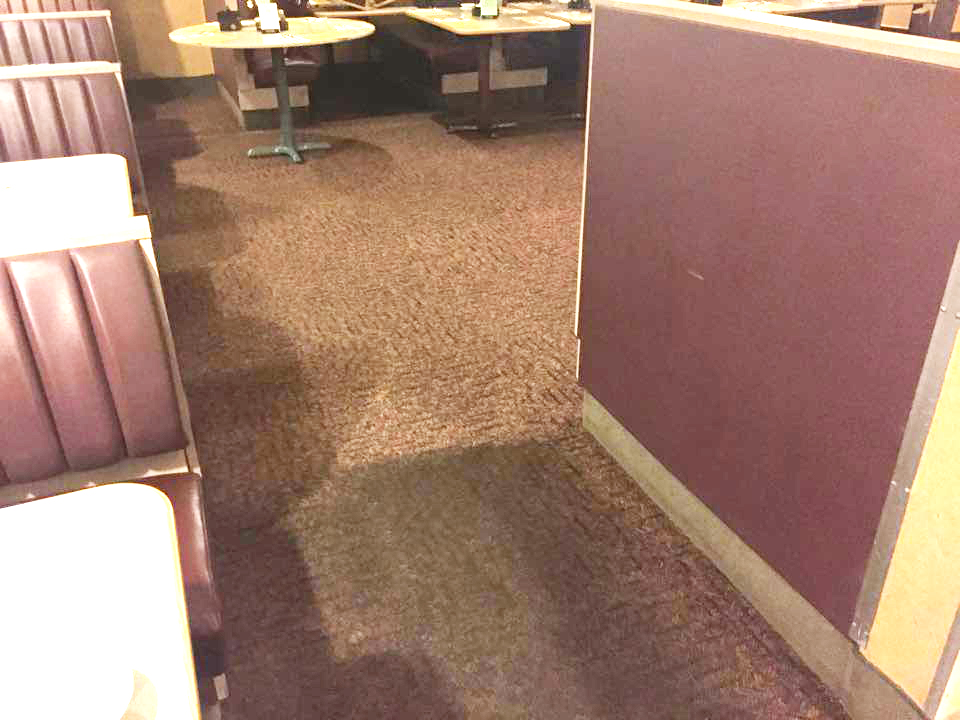
A little spill can turn into a big problem fast. Mold on carpet (on the fibers you can see) is usually easier to spot and treat early. Mold under carpet is sneakier, it can spread in the padding while the top still looks “fine.”
The 24 to 48-hour window matters. If carpet and padding stay damp that long after a leak or accident, mold can start growing. What you do next depends on where the mold is living: on the surface, or underneath.
If you’re a homeowner in Souderton, PA or the surrounding Montgomery County area, here’s how to tell them apart.
Surface mold grows right on the carpet fibers, like a stain that has a fuzzy attitude. You may see black, green, gray, brown, or yellow specks, spots, or blotchy patches. Sometimes it looks dusty, other times it looks a bit slick, and the carpet can feel matted or slightly slimy.

Your nose often notices first. A musty, earthy smell that’s strongest right at the carpet surface is a common clue.
Use bright light and look from different angles. Then try simple checks:
If you’re sensitive, wear gloves and a well-fitting mask while checking.
Hidden mold often starts in the padding or carpet backing because it holds moisture like a sponge. You might have a strong musty odor but no obvious surface spots. Other red flags include dampness that “comes back” after drying, stains near baseboards, or a carpet area that feels cooler, squishy, or uneven underfoot.
Some people also notice more sneezing, coughing, or asthma symptoms when they’re in the room, especially kids and anyone with allergies.
Risk goes up after flooding, slow plumbing leaks, wet basements, and when indoor humidity stays above about 60%.
Don’t let invisible moisture ruin your home’s air quality. Learn how to protect your investment and your health by reading our guide: How Humidity Impacts Carpet Lifespan and Smart Ways to Prevent Damage
Pick a small corner near a wall or inside a closet. Wearing gloves and a mask, lift just enough to peek. Look for dark growth, wet padding, a crumbly texture, or staining on the subfloor.
Stop and call a pro if the area is large, you see widespread black growth, there was sewage water, or anyone in the home has breathing issues. A moisture meter can also help confirm whether the floor system is still wet.
Found damage? It’s time for an upgrade. If your padding has crumbled or soaked up moisture, it can no longer support your carpet properly. Discover why choosing the right replacement is essential in our guide: How Carpet Padding Affects Comfort and Longevity
First, fix the water source. Cleaning without solving the leak is like mopping with the faucet still on.
A simple rule: small surface spots (under about 10 square feet) may be DIY. Suspected under-carpet mold, recurring odors, or bigger areas usually means removal and replacement.
HEPA-vacuum (if dry), clean with mild detergent or a vinegar-and-water mix, then dry fast with fans and a dehumidifier. Avoid bleach on carpet, it doesn’t soak in well and can damage fibers.
Related: DIY Carpet Cleaning Tips
Plan to discard carpet and padding, clean and dry the subfloor, and treat with an appropriate mold cleaner. Bag materials before carrying them out to limit spores, then keep indoor humidity in check so it doesn’t return.
Related: Keep Carpets Clean with Pets — Simple Tips for Fresh Floors
Yes. Mold spores become airborne through foot traffic and HVAC circulation. Exposure can cause sneezing, coughing, eye irritation, and asthma flare-ups. Kids and anyone with allergies or respiratory conditions are most at risk.
Mold can start growing in wet carpet and padding within 24 to 48 hours. Visible growth may follow within days if moisture isn’t removed — which is why the first 48 hours after any water exposure are critical.
Black mold (Stachybotrys chartarum) is the most toxic type and requires professional remediation — not DIY. Not all dark-colored mold is Stachybotrys, but treat any black mold as potentially toxic and get a professional assessment before taking action.
When done correctly, no. The risk arises when carpets are over-saturated and left wet for more than 24 hours. Always choose a professional who guarantees dry times under 24 hours.
Visible spots often mean surface mold, but odor plus dampness can point to hidden growth in the padding. Aim to dry wet carpet within 48 hours, because padding is hard to truly clean once it’s moldy. Before you move on, confirm this quick checklist: water source fixed, area fully dry, musty smell gone, humidity controlled. If anything feels uncertain, bring in a mold professional.
The Carpet Guys serve Souderton, Montgomery and Bucks County, PA. Check our Service or Contact us for a free estimate
Updated February 2026